What to ask a technician before hiring for electrical repairs in Cameroon

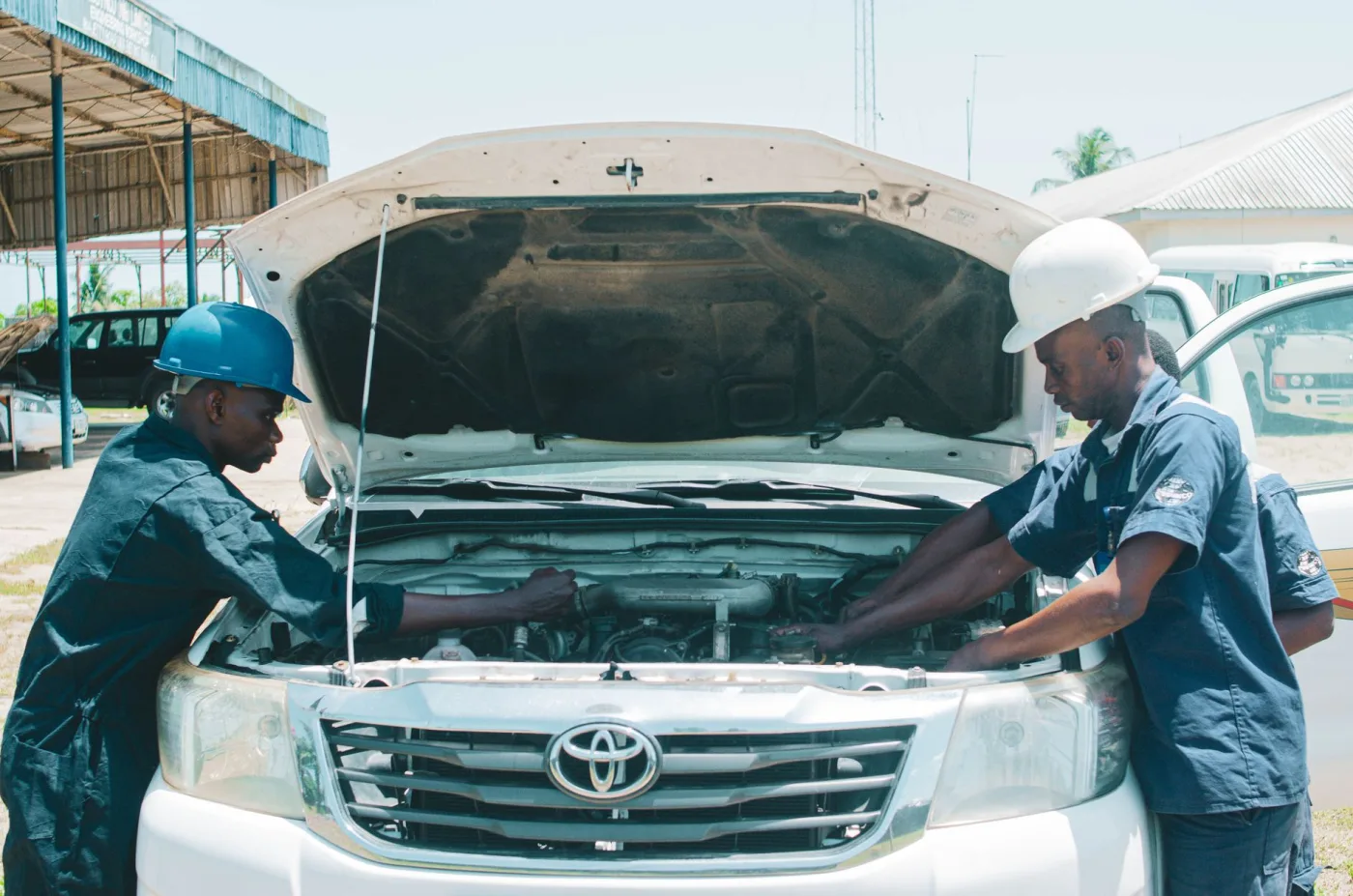
Why Asking the Right Questions Matters for Electrical Repairs in Cameroon
Electrical repairs are not something to take lightly. In Cameroon, where power fluctuations and aging wiring are common, hiring a qualified technician can mean the difference between a safe home and a serious hazard. Whether you need to fix a faulty switch, rewire a room, or troubleshoot frequent blackouts, asking the right questions before you hire gives you peace of mind and protects your family and property.
MboaTek connects you with local service providers across Cameroon, but even on a trusted platform, it pays to be prepared. Here is a practical guide to what you should ask any technician before they start work on your electrical system.
1. What Experience Do You Have With Electrical Repairs?
Experience matters. A technician who has handled similar jobs in Cameroon understands local wiring standards, common issues like voltage spikes, and how to work with materials available in the market. Ask how long they have been doing electrical work and whether they have handled repairs like yours before.
For example, if you have an older building in Douala or Yaoundé, the wiring may be different from newer constructions. A seasoned technician will know what to expect. On MboaTek, you can check a technician's profile for years of experience and read reviews from previous clients to get a clearer picture.
Questions to ask:
- How many years have you been working as an electrician?
- Have you worked on similar electrical issues in homes or businesses?
- Can you describe a challenging repair you solved recently?
2. Do You Have Any Certifications or Training?
While formal certification is not always mandatory for electricians in Cameroon, training from recognized institutions or apprenticeship under a master electrician adds credibility. Ask if the technician has completed any courses in electrical safety, installation, or repair. Some technicians may have certificates from trade schools or workshops.
MboaTek encourages technicians to list their qualifications on their profiles, but we always recommend verifying directly. A technician who is proud of their training will be happy to share details.
What to look for:
- Certificates from technical colleges or vocational training centers.
- Membership in any local trade associations.
- References from past clients or employers.
3. What Is Your Pricing Structure?
Unexpected costs are one of the biggest frustrations when hiring a technician. Before any work begins, ask for a clear breakdown of charges. This includes the call-out fee (if any), labor costs, and the price of replacement parts. Some technicians charge a flat rate for common jobs, while others bill by the hour.
In Cameroon, it is common for technicians to quote after seeing the problem. Still, you can ask for an estimate range. MboaTek's platform allows you to compare quotes from multiple technicians, making it easier to find fair pricing.
Key pricing questions:
- Do you charge a fee just to come and inspect the problem?
- Is labor included in the quoted price, or is it separate?
- How do you handle costs if the repair takes longer than expected?
4. What Safety Measures Do You Follow?
Electrical work carries risks of shock, fire, and damage to appliances. A responsible technician will follow basic safety practices, such as turning off the main power before working, using insulated tools, and testing circuits. Ask about their safety routine, especially if the repair involves high-voltage areas or outdoor wiring.
In Cameroon, where power cuts and surges are common, a good technician will also advise on surge protectors or grounding if needed. Do not hesitate to ask how they plan to keep your home safe during the repair.
Safety questions to ask:
- Will you turn off the main power before starting?
- Do you use personal protective equipment like gloves or goggles?
- What steps do you take to prevent accidental shocks or fires?
5. Do You Offer a Warranty on Your Work?
A reliable technician stands behind their work. Ask if they provide a warranty on labor or parts. For example, if a newly installed socket stops working after a week, will they come back and fix it at no extra cost? A warranty shows confidence in the quality of service.
Keep in mind that warranties in Cameroon may be informal, but a verbal promise from a trusted technician often holds value. On MboaTek, you can leave feedback about your experience, which encourages technicians to maintain high standards.
Warranty questions:
- How long do you guarantee your repairs?
- What is covered under the warranty—labor, parts, or both?
- What should I do if the same problem happens again?
6. Can You Provide References or Reviews?
Word of mouth is powerful in Cameroon. Ask the technician if they can share contact details of previous clients or point you to online reviews. MboaTek makes this easy by displaying ratings and testimonials on each technician's profile. Look for consistent positive feedback about punctuality, quality, and professionalism.
If a technician hesitates to share references, consider it a red flag. Most experienced electricians are proud of their reputation and will gladly connect you with satisfied customers.
7. How Will You Communicate During the Job?
Clear communication prevents misunderstandings. Ask how the technician prefers to update you—whether by phone call, WhatsApp, or in person. For bigger jobs, agree on a schedule and check-in points. For example, will they call you before arriving? Will they inform you if they need to buy extra parts?
MboaTek's in-app messaging helps you stay in touch with your technician without sharing personal numbers. This adds a layer of convenience and security.
Communication questions:
- How will you let me know when you are on your way?
- Will you contact me if you find additional issues during the repair?
- What is the best time to reach you if I have questions?
8. Do You Carry Insurance?
While not all technicians in Cameroon have liability insurance, it is worth asking. Insurance protects you if the technician accidentally damages your property or gets injured on the job. Some larger service providers may have coverage, while independent electricians often work without it.
If insurance is not available, discuss how the technician handles accidents or damages. MboaTek encourages technicians to be transparent about their coverage, but we recommend clarifying this before work begins.
9. What Parts and Materials Will You Use?
Quality of materials matters for electrical safety. Ask the technician what brand or type of wires, switches, sockets, and breakers they plan to use. In Cameroon, counterfeit electrical products are a real concern. A trustworthy technician sources from reputable suppliers and can explain why they chose specific materials.
If you have preferences, such as using a particular brand, let them know upfront. This avoids disagreements later.
Material questions:
- Where do you buy your electrical parts?
- Can you show me the materials before installation?
- Do you offer alternatives if I want higher quality or lower cost?
10. How Do You Handle Emergencies?
Electrical emergencies like sparking outlets or power outages at night require quick response. Ask if the technician offers emergency services and what their availability is. Some electricians in Cameroon operate 24/7, while others work only during business hours. Knowing this in advance can save you stress during a crisis.
MboaTek lists technicians who are open to emergency calls, so you can filter for those who match your needs.
Conclusion: Hire with Confidence on MboaTek
Asking these questions before hiring a technician for electrical repairs in Cameroon helps you avoid costly mistakes and ensures your home stays safe. While no platform can guarantee every service provider is perfect, MboaTek makes it easier to find skilled, vetted technicians and communicate clearly. Take the time to review profiles, read feedback, and ask the questions above. Your home—and your peace of mind—are worth it.
Teacher, secondary school teacher, educator, book writer, and publisher with strong experience in pedagogy, classroom instruction, student mentorship, curriculum support, and educational development. Esther Awah is passionate about helping students succeed through inclusive teaching methods, parental engagement, practical learning strategies, reading culture, educational content creation, and modern academic support adapted to African realities.
Comments (0)
No comments yet. Be the first to comment.
Leave a comment